
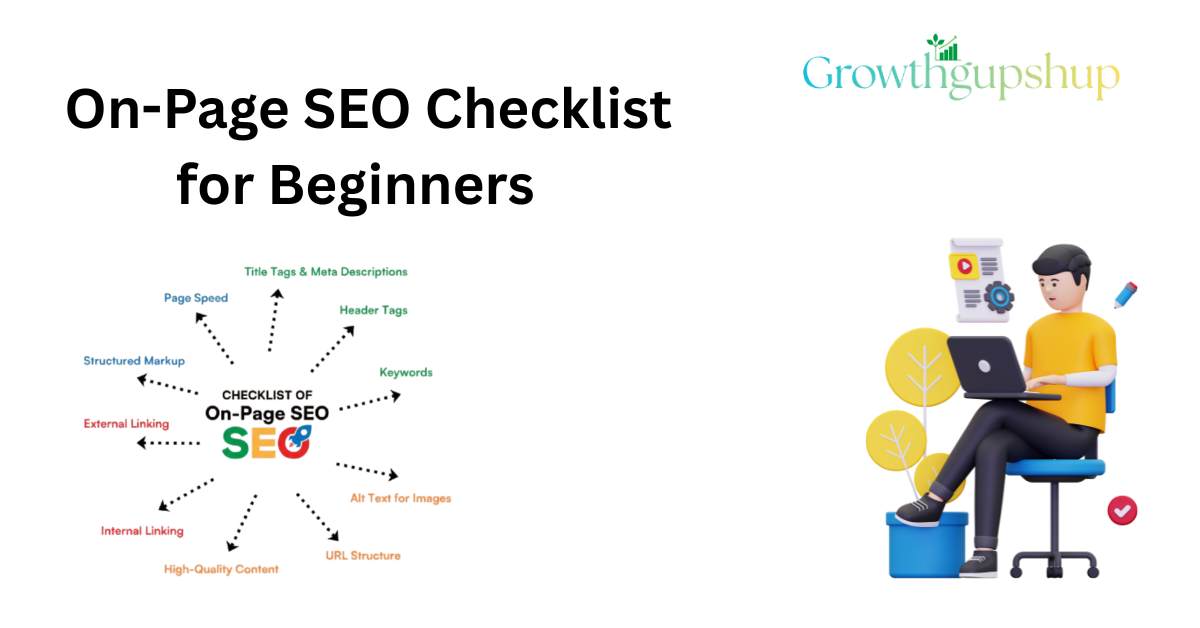
This guide will provide you with an overview of the key on-page SEO factors you should focus on to build a strong foundation for success as a new SEO professional in 2026. In this Top 10 On-Page SEO Checklist for Beginners, you’ll learn how to optimize your website step by step for better visibility and long-term growth.
Imagine spending hours creating great content for your website, only to have no one visit it. This is where search engine optimization (SEO) makes all the difference. By optimizing your website with SEO, your website becomes visible to search engines, the right audience finds your content, and your site grows organically over time. The most crucial SEO element is on-page search engine optimization, as it informs search engines about the content of your webpage, providing a clear reason for ranking your website. If your webpage isn’t properly optimized using on-page SEO techniques, even the best content won’t appear in search engine results pages (SERPs).
On-Page SEO Overview
To make your website pages user-friendly for both search engines and Users, you need to optimize them using on-page SEO strategies. This involves choosing keywords that will provide value to your visitors, as well as creating high-quality content that aligns with the intent behind search queries. Additionally, elements such as headings, URLs, internal linking structure, image optimization, and page structure all play a role in how search engines perceive the relevance of a website page for a particular query. Therefore, if a website utilizes these techniques when optimizing its pages, it has a higher chance of ranking higher in search results and providing a better user experience.
Now, let’s delve into the Top 10 On-Page SEO checklist for beginners in 2026.
Top 10 On-Page SEO Factors
1. Keyword Research (The Starting Point of On-Page SEO)
The first step in content writing is keyword research – this should always be done before writing any piece of content.
Furthermore, when keywords are viewed as “bridges,” they connect Users searching for relevant information to potential search results (provided the right keywords are used correctly). Therefore, if you choose the wrong keywords, your audience will never find your content, no matter how high-quality it is.
Keyword research provides valuable insight into:
- What individuals are entering into search engines as queries;
- What methods are being utilized to perform searches, and
- What types of content are preferred by Google when responding to those types of queries?
For beginners, focus on:
- Low-competition, long-tail keywords (easier to rank)
- Search intent, such as:
- Informational (learning-based)
- Commercial (comparison-based)
- Transactional (buying-based)
- Keywords that beginners actually use, not experts
Example:
Instead of targeting a broad keyword like “Coffee”, target something specific like
“What is the best way to make coffee”?
Where to place your primary keyword naturally:
- Page title
- First 100 words
- Headings (only where it fits naturally)
This helps Google clearly understand what your page is about.
2. High-Quality, Structured & Optimized Content
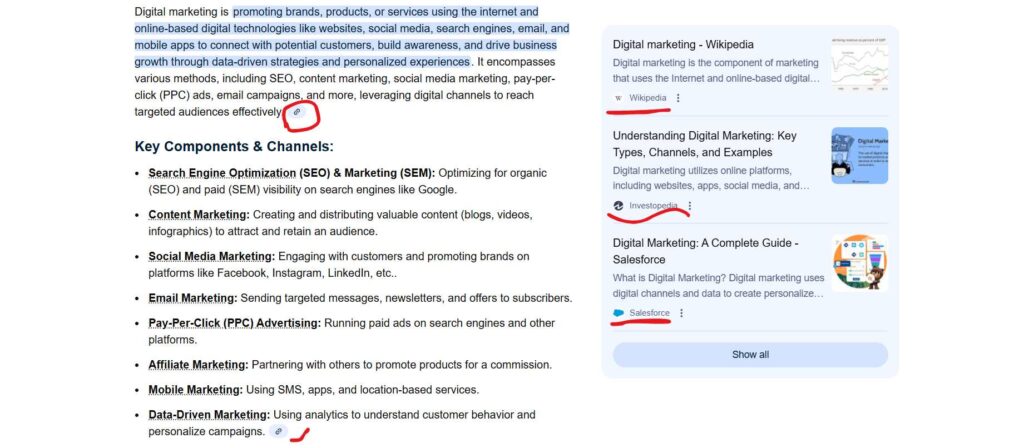
By 2026, content designed for user experience will be written in a way that allows both humans and computer language-processing systems (such as Google Search) to read, understand, and utilize the information. Instead of focusing on keyword stuffing, content optimized for search engines will emphasize clarity, context, and purpose.
Structured content that is simple and clear can be understood, trusted, and used by both humans and large language models (LLMs).
Best practices for writing this type of content:
1. Explain only 1 concept per paragraph.
2. Use headings to define each section of content, use short paragraphs (2-4 sentences), and use bullet points and examples when used appropriately.
3. Meta Titles & Meta Descriptions
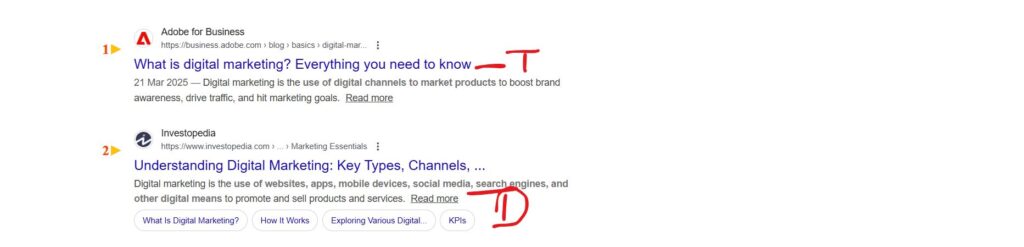
The titles and descriptions that appear in Google search results create the first impression of your webpage. They help users decide whether to click on your link or skip it.
Best practices for meta titles:
- Keep the length under 60 – 70 characters.
- Include your primary keyword naturally in your title.
- Make the title interesting and compelling enough to encourage clicks.
Best practices for meta descriptions:
- Keep the description length under 160 – 170 characters.
- Clearly explain what your page content covers.
- Use action words in your description, such as learn, understand, discover, etc.
An effective meta description can increase your click-through rate (CTR) and ultimately improve your rankings.
4. SEO-Friendly URL Structure
Your URL should be short, straightforward, clear, and meaningful.
A well-structured URL tells both search engines and users what kind of content is on the webpage, and it avoids confusion.
Example of a good URL:
/on-page-seo-checklist-for-beginners/
Examples of URLs to avoid:
- Long URLs
- URLs with random numbers/symbols
- URLs with unnecessary words.
Simple URLs are beneficial for:
- Page understanding
- User trust
- SEO performance
5. Heading Tags (H1, H2, H3) & Internal Linking
Headings are like signboards inside your content.
They guide readers and help Google understand content structure.
Heading structure rules:
- Use only one H1 (main title)
- Use H2 for main sections
- Use H3 for sub-points
Internal linking helps by:
- Connecting related blog posts
- Improving site navigation
- Passing SEO value between pages
Internal links keep users on your website longer and improve crawlability.
6. Image Optimization
Images make content engaging, but unoptimized images can slow your site.
That’s why image optimization is essential for both UX and SEO.
Always do this:
- Compress images
- Use descriptive file names
- Add relevant alt text
Example alt text:
alt=”on-page seo checklist for beginners.”
Optimized images help with:
- Faster page loading
- Accessibility
- Image search visibility
7. Structured Data (Bullet Points & Tables)
Structured content is easier to read and easier to understand—for both users and Google.
Use:
- Bullet points for lists
- Tables for comparisons
- Clear spacing and formatting
Benefits:
- Better readability
- Higher chances of featured snippets
- Improved user engagement
Google prefers content that users can quickly scan and understand.
8. Schema and FAQ Schema
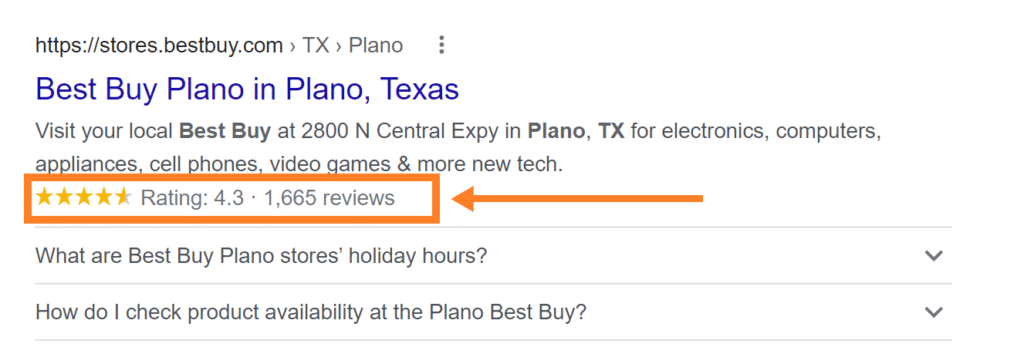
Schema markup provides additional context to search engines about your content.
The most beneficial types of schema markup are:
- Article Schema
- FAQ Schema
- Rating and Reviews
The FAQ Schema can help:
1. Increase visibility on search engine results pages (SERPs)
2. Improve click-through rates (CTR)
3. Make your search result stand out from the rest of the SERPs
The FAQ Schema is particularly useful for content that is primarily informational and/or educational in nature when using SEO efforts.
9. User Experience (UX)
The way users experience your site will have a significant impact on your ranking position by 2026.
Websites that users don’t like will not get a good ranking from Google.
Common characteristics of good UX:
- Fast loading speed
- Mobile-friendly design
- Clear navigation
- No annoying pop-ups
When users spend time on a site and engage with it, their interaction with the site sends positive signals to Google, which improves the site’s ranking potential.
10. E-E-A-T (Experience, Expertise, Authoritativeness, Trustworthiness)
By 2026, this point will be a main part of the on-page SEO checklist for beginners.
Experience, Expertise, Authority, and Trustworthiness, or E-E-A-T, is a set of criteria developed by Google to judge the quality of information in its search results, and more specifically for “Your Money or Your Life” topics, which are based on personal firsthand experience, knowledge and authority, as well as the reliability of the information. E-E-A-T is not a direct ranking signal, but rather an advisory signal that guides algorithms and evaluators to prioritize credible information written by trustworthy sources, with trust being the most important factor.
Improve E-E-A-T by:
- Sharing real experience
- Writing accurate, updated content
- Adding author details
- Being honest and transparent
Trust builds rankings over time.
Conclusion
On-page SEO isn’t just about shortcuts or tricks; it focuses on building a strong and transparent foundation that is trustworthy for both users and search engines. From keyword research and content quality to structure, user experience, and credibility, every aspect of on-page SEO contributes to your website’s performance in search results. When all these components work together, your content becomes more understandable, more valuable to readers, and more popular on Google. By consistently implementing this on-page SEO checklist, you’ll be well-prepared to increase traffic, improve rankings, and stay ahead of the competition in 2026 and beyond.
Related: Top 10 Benefits of SEO for Business: Complete Growth Guide for 2026
Leave a Reply